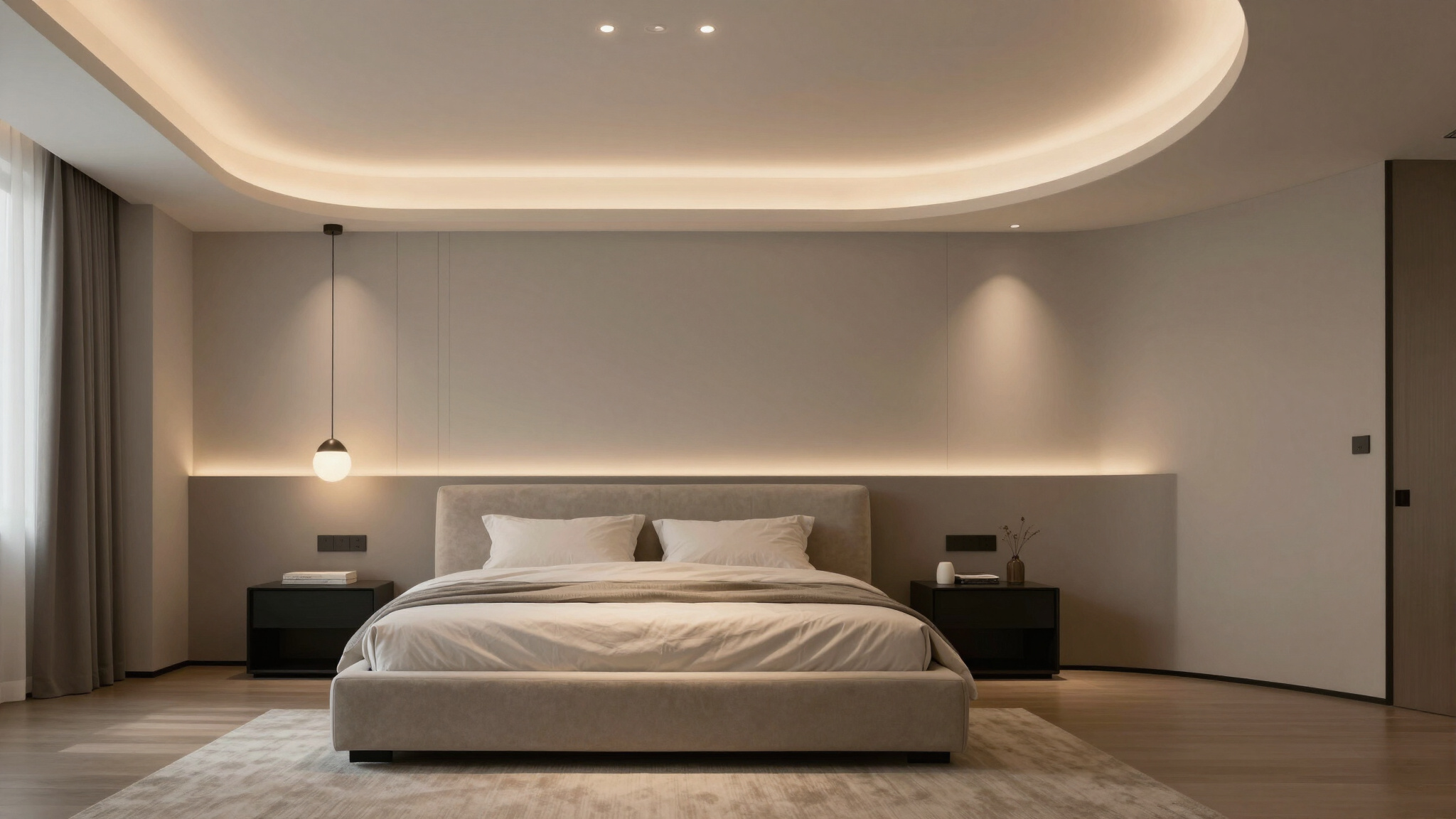
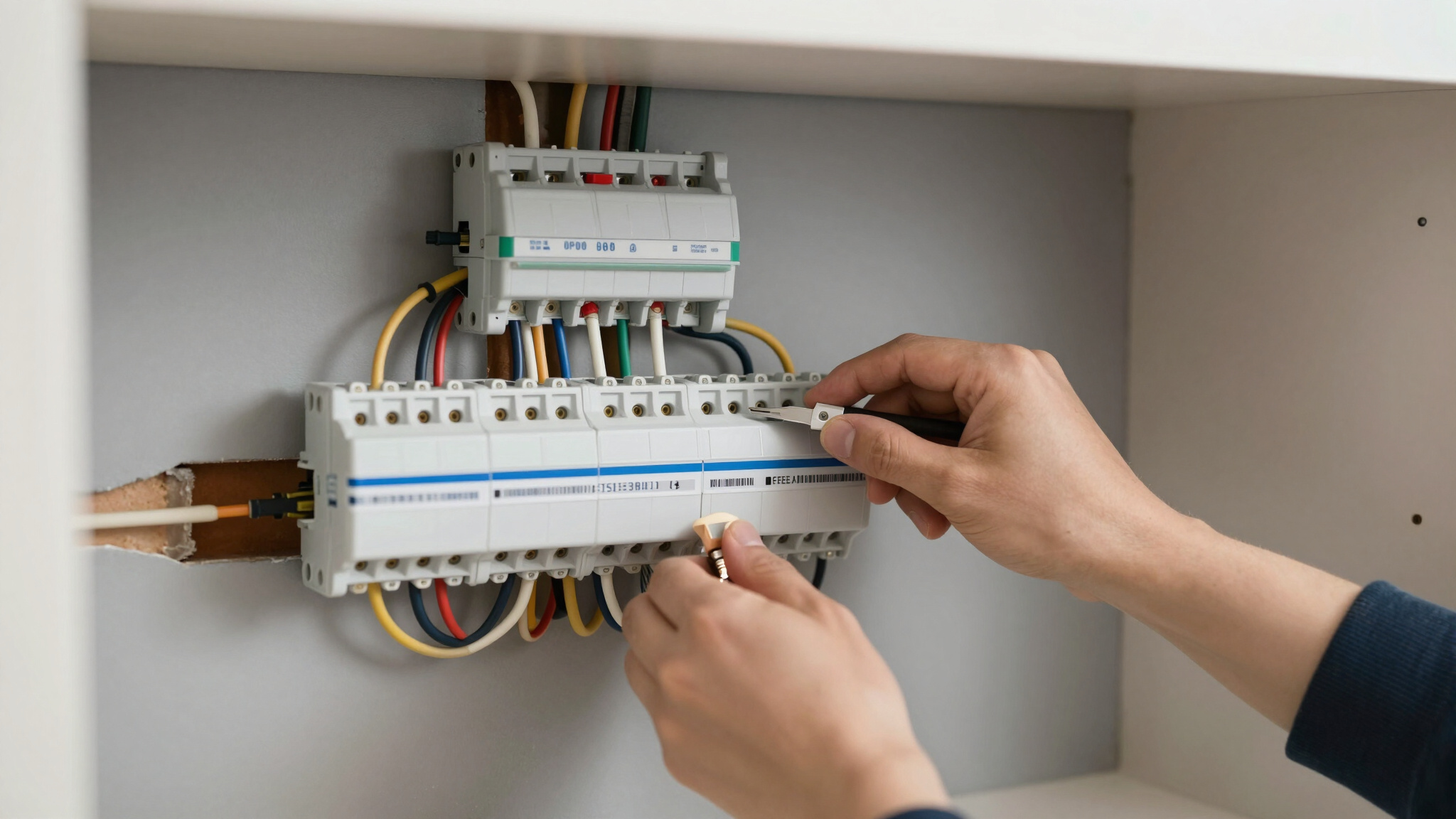
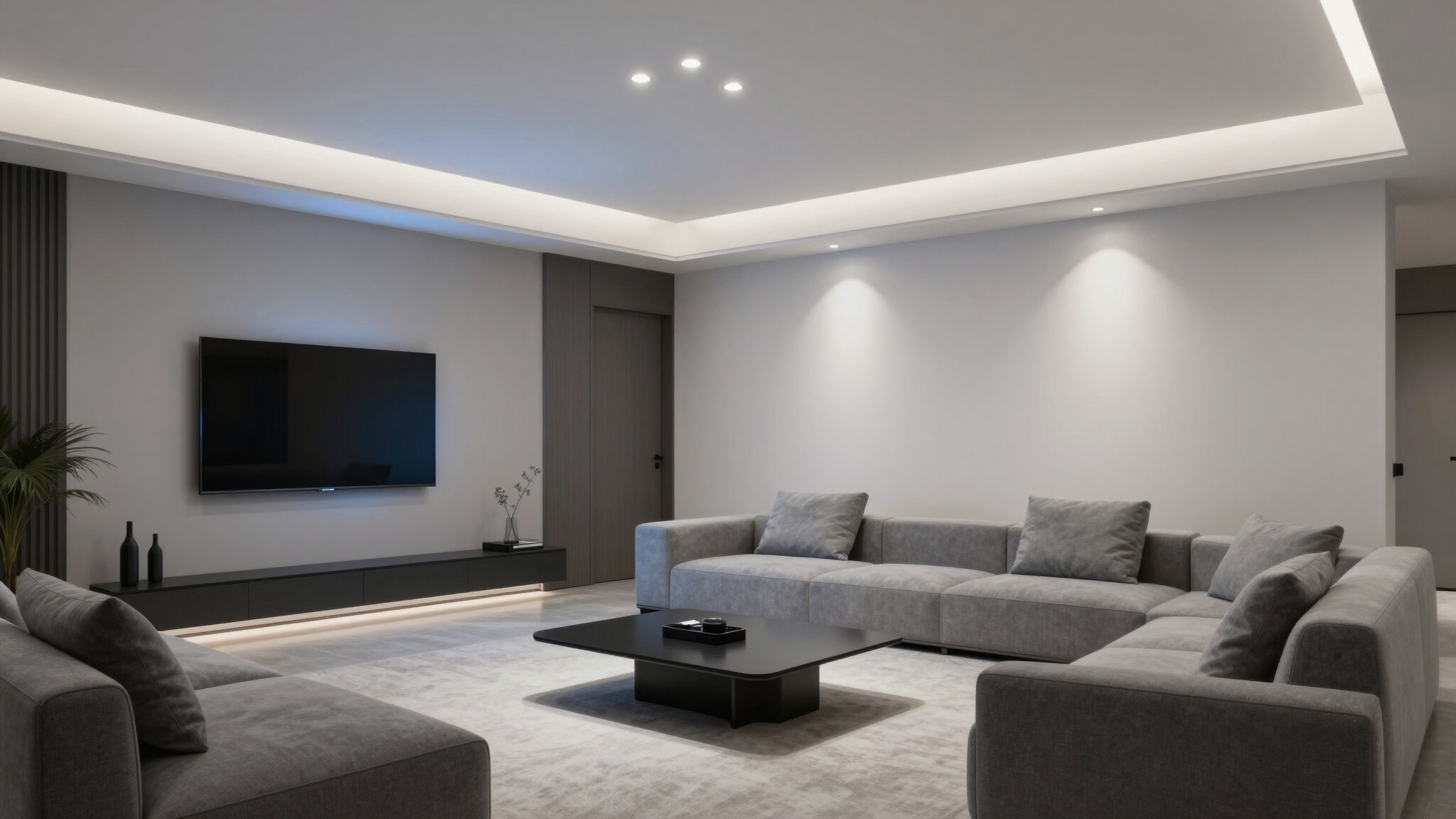
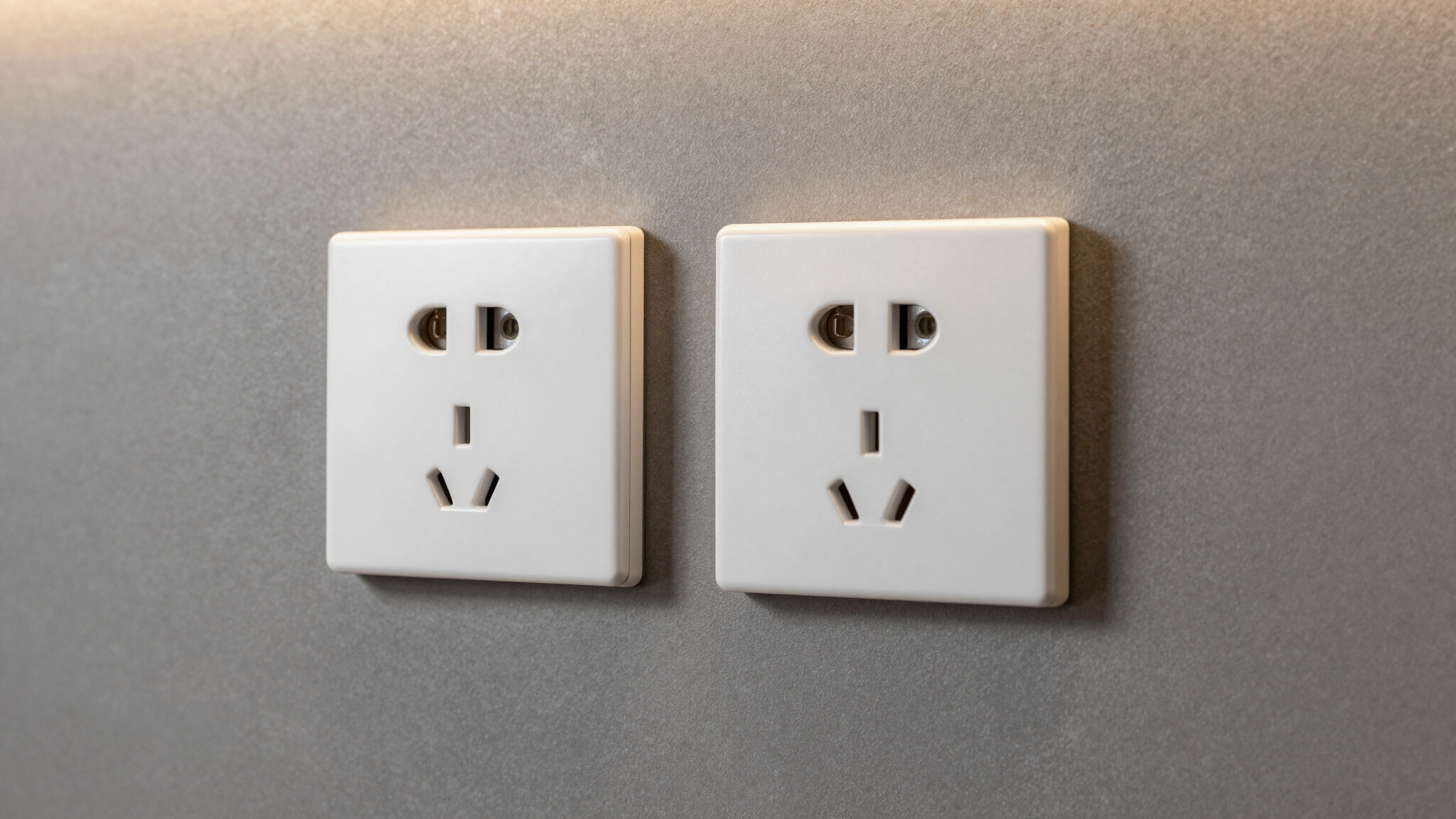
Your electrics are playing up, you need an upgrade or you have just built an extension and need additional power we have the expertise to help.
Whether your electrics keep tripping or you need a new light fitting we have the qualifications and knowledge to provide you with the best service.
Interior or exterior electrical jobs we have it covered, no job is too small and INCR Electrical love advising on the best way to achieve what you are after.

Residential Power & Lighting
PIV and extraction installations
Positive Input Ventilation (PIV) system is a whole-house ventilation unit used to eliminate indoor condensation, prevent mold growth, and improve air quality.
How PIV Systems Work
-
Fresh air intake: A quiet, low-energy electric fan (usually mounted in the loft or an exterior wall) draws in fresh air from outside or the roof space.
-
Filtration: The air passes through built-in filters to remove pollen, dust, and outdoor pollutants.
-
Gentle pressurization: The filtered air continuously trickles into the central hallway or living spaces through a ceiling diffuser, creating a slight positive pressure inside the home.
-
Stale air displacement: This constant, gentle pressure forces humid, stale, and polluted air out through natural gaps, cracks, and leakage points (like window vents or under doors) before it can settle as condensation.
Main Benefits
-
Cures condensation: Stops water droplets from forming on windows and cold walls.
-
Prevents black mold: Removes the damp environment that mold and dust mites need to grow.
-
Improves health: Dilutes indoor pollutants, carbon dioxide, and allergens, which benefits allergy and asthma sufferers.
-
Energy efficient: Standard units use very little electricity (typically consuming between 5 to 10 watts of power). Heated models are also available with built-in temper heaters for colder months.
Electrical Installation Steps
-
Power supply: Units typically connect via a fused spur or a 3-amp plug in the loft space.
-
Wiring safety: Isolate the mains supply before starting any electrical work.
-
Ceiling diffuser: Cut a precise hole in the plasterboard ceiling, avoiding joists and hidden cables, to mount the central distribution vent.
-
Unit mounting: Suspend the main body securely from the roof rafters using hanging kits or straps to reduce vibration noise.
Extraction fans
INCR are trained in Installing various extraction fans directly in wet zones like kitchens and bathrooms which help to remove steam and odors at the source.
Heating systems
INCR can install Residential electrical heating systems,
offering an alternative to traditional gas or oil boilers.
Main Types of Electric Heating
-
Electric Radiators: Modular, standalone units (such as ceramic-core or oil-filled models) that provide individual room control and retain heat well after turning off.
-
Storage Heaters: Units that draw power during cheaper, off-peak night hours and release warmth slowly throughout the next day.
-
Electric Boilers: Central systems that heat water to circulate through standard wall radiators or underfloor pipes.
-
Infrared & Panel Heaters: Slimline or wall-mounted units that provide rapid, direct radiant or convective warmth to specific areas or poorly insulated spots.
Electrical inspection & testing
INCR carry out residential electrical inspection and testing process—commonly known in the UK as an Electrical Installation Condition Report (EICR)—is a detailed safety check of your home's fixed wiring, socket-outlets, light fittings, and fuse box by a qualified electrician.
What the Inspection Involves
-
Visual Inspection: The electrician checks for cracked sockets, burn marks, outdated fuse boards, and missing enclosure covers.
-
Circuit Testing: They use specialized tools to test continuity, insulation resistance, polarity, and earth fault loop impedance to find hidden damage or shock risks.
-
The Report: You receive a certificate marked "satisfactory" or "unsatisfactory," along with classification codes (C1, C2, C3) for any faults found.
Typically takes between 2 to 4 hours for a small flat, and up to a half or full day for larger properties.
Homeowners are also advised to test every 10 years (or 5 years if changing occupancy).
Electric shower installation
We are qualified to install electric showers. Electric showers use high-powered electricity and water, the installer must be Part P-qualified and registered with a scheme like NICEIC or NAPIT, we have this covered.
Requirements
A new installation needs a dedicated circuit from the consumer unit, correct cable size, and 30 mA RCD protection.
Installation
We can do like-for-like replacement or a brand-new installation
Garden power & Lighting
INCR offers professional outdoor lighting installations to enhance your home's
-
Improve Security
-
Stylish upgrade to your garden
-
All year garden usability
-
Garden room electrics
Whether you're looking to light up your garden, pathways, driveway, or add motion-activated lighting for peace of mind, we’ve got you covered.
We always install quality outdoor-rated fittings designed to last in the British weather – no shortcuts, no guesswork.
From energy-saving LED floodlights to stylish wall lights or spike lights for landscaping, we’ll help you choose what works best for your space and budget.
Fault finding
This is a step-by-step process of locating and fixing hidden problems in a power system, such as a tripped breaker or a dead socket.
Process
Safety and Preparation
-
Safe isolation: Turn off the power and lock out the breaker before you touch any wires.
-
Prove dead: Use a two-pole voltage detector to confirm there is no live current.
-
Unplug appliances: Disconnect portable devices to stop them from masking the true problem.
Visual Check
-
Look for damage: Check for melted plastic, burn marks, or loose wires.
-
Use your senses: Smell for burning plastic or look for water stains near switches and sockets.
Testing and Isolating
-
Half-split method: Open a socket or junction box near the middle of the circuit to split it into two halves.
-
Test continuity: Use a multimeter on the dead circuit to check the resistance and find where the broken path or short is located.
-
Narrow it down: Move along the wire to test smaller sections until you find the exact spot causing the fault.
-
What specific symptom are you seeing (e.g., a tripping RCD, a dead outlet, burning smell)?
-
Is it on a ring or radial circuit?
Full/partial re-wires
Electrical rewiring replaces old, worn-out wires and fuse boxes in a building with new, safe parts. Your house may need a total re-wire or partial re-wire.
Signs you may need a Re-wire
-
Frequently tripping fuse box or RCDs
-
Buzzing or crackling sounds from outlets
-
Burning smells or hot plug sockets
-
Flickering lights
-
Wiring older than 25 to 30 year
First Fix
We will run new cables through walls, under floors, and install back boxes for sockets.
Interim Work
Plastering, repairing holes, and redecorating happen while the power is off.
Second Fix
Switches, light fixtures, and the new consumer unit are fitted, tested, and certified live.
Residential services
Our Finished Projects
Explore our recent residential electrical installations across the South West, from full rewires to precision lighting upgrades.